
The Making and Knowing Project explores the intersection between artistic making and scientific knowing through hands-on teaching, research, and digital development.
Phase 1: Building a Critical Digital Edition (2014-2020)
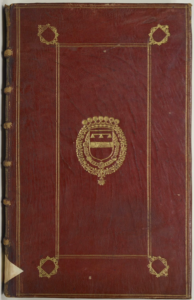 During this phase, the Project focused on creating a digital critical edition of the anonymous sixteenth-century French artisanal and technical manuscript BnF Ms. Fr. 640. Containing over 900 ‘recipes’ for a variety of subjects from colormaking, metal casting, and medical remedies, the manuscript offers insights into the material and intellectual worlds of early modern Europe. Those insights could not be gained through reading alone. It required the Project to interpret and recreate the author’s instructions.
Over 350 collaborators participated in creating the edition. The result, Secrets of Craft and Nature in Renaissance France, presents the manuscript’s first complete French transcription and English translation alongside multimedia essays, glossaries, and contextual resources that make the manuscript accessible to modern audiences.
The edition was developed through four interconnected and iterative components:
- Paleography, Translation, and Encoding Workshops gathered graduate students and scholars annually to produce the manuscript’s first transcription, translation, and digital encoding.
- Laboratory Seminars remain the Project’s central space for hands-on experimentation. Graduate students reconstructed the manuscript’s recipes. Their findings were published as multimedia essays in the edition.
- Working Groups gathered experts to review and discuss the year’s student essays, providing scholarly oversight and input. Many experts also contributed essays to the edition.
- Digital Development built the edition apparatus from scratch alongside an outside digital developer, prioritizing long-term use, availability, and sustainability. The Project also offered multiple digital humanities courses to experiment and prepare prototypes.
Each stage informed the next, as new discoveries generated new questions and experiments. This iterative approach remains a central part of the Making and Knowing Project.
Phase 2: Phase 2: Sharing Project Methods (2020-2026)
Research and Teaching Companion
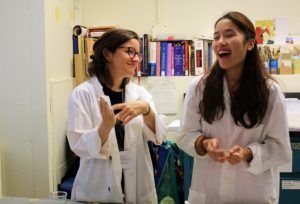
The Research and Teaching Companion supports instructors interested in incorporating hands-on learning into their teaching. It addresses the practical and pedagogical challenges that often prevent experiential learning from being implemented. Designed to be flexible, the resources—including lesson plans, case studies, and example projects—encourage instructors to adapt and expand them for their own classroom and research needs. The Companion is also useful for hands-on public engagement events and even for artists’ practice and studio events.
Edition Crafter
Building Secrets of Craft and Nature revealed the lack of sustainable tools that existed for publishing digital scholarly editions. In response, the Project developed EditionCrafter, an open-access, customizable, and easy-to-use tool for publishing digital editions in a low-cost and sustainable manner.
Phase 3: Phase 3: Expanding Experiential Learning (2026-)
The Making and Knowing Project continues to expand its experiential learning offerings through courses, collaborative partnerships, and field-based research.
Laboratory Seminar
Following the publication of the edition, the laboratory seminar was redesigned and opened to undergraduate students. Students are now asked to define their own scholarly goals for the course and reflect on their progress throughout the semester. A capstone project provides additional opportunity for students to experiment, fail, and adapt. The best of these student projects can be found on the Research and Teaching Companion’s Student Projects.
Dyeing and Weaving Collaboration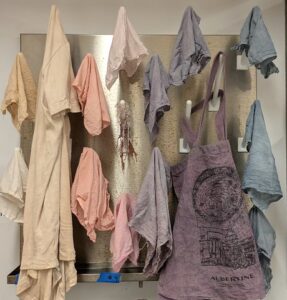
The Project has hosted two weaving and dyeing collaborations.
- A partnership with Indigenous experts, Bertha Estrada Huipe and her son Mateo Estrada Rodriguez from Michoacán, Mexico, who visited Columbia University twice to share their knowledge through a number of hands-on sessions with students, public events, and weaving demonstrations.
- Two workshops on Lanna dyeing and weaving techniques in Chiang Mai, Thailand for graduate students from multiple universities.
Going and Knowing Workshops
A multi-year series of experiential traveling seminars for scholars that explore industryscapes: socio-natural sites of human interaction with the material world. Mining landscapes–like the early modern artisanal workshops described in the Ms. Fr. 640 manuscript–are rich in opportunities for exploring these socio-natural interactions. In these multi-day seminars, participants traverse the archives of nature (mines, forests, water systems) and society (libraries, museums, and art collections) to gain insight into the assemblage of systems that comprise the minescape. Such sites can bring into focus changing relationships between humans, materials, and the environment.
During this phase, the Project focused on creating a digital critical edition of the anonymous sixteenth-century French artisanal and technical manuscript BnF Ms. Fr. 640. Containing over 900 ‘recipes’ for a variety of subjects from colormaking, metal casting, and medical remedies, the manuscript offers insights into the material and intellectual worlds of early modern Europe. Those insights could not be gained through reading alone. It required the Project to interpret and recreate the author’s instructions.
Over 350 collaborators participated in creating the edition. The result, Secrets of Craft and Nature in Renaissance France, presents the manuscript’s first complete French transcription and English translation alongside multimedia essays, glossaries, and contextual resources that make the manuscript accessible to modern audiences.
The edition was developed through four interconnected and iterative components:
- Paleography, Translation, and Encoding Workshops gathered graduate students and scholars annually to produce the manuscript’s first transcription, translation, and digital encoding.
- Laboratory Seminars remain the Project’s central space for hands-on experimentation. Graduate students reconstructed the manuscript’s recipes. Their findings were published as multimedia essays in the edition.
- Working Groups gathered experts to review and discuss the year’s student essays, providing scholarly oversight and input. Many experts also contributed essays to the edition.
- Digital Development built the edition apparatus from scratch alongside an outside digital developer, prioritizing long-term use, availability, and sustainability. The Project also offered multiple digital humanities courses to experiment and prepare prototypes.
Each stage informed the next, as new discoveries generated new questions and experiments. This iterative approach remains a central part of the Making and Knowing Project.
Phase 2: Phase 2: Sharing Project Methods (2020-2026)
Research and Teaching Companion
The Research and Teaching Companion supports instructors interested in incorporating hands-on learning into their teaching. It addresses the practical and pedagogical challenges that often prevent experiential learning from being implemented. Designed to be flexible, the resources—including lesson plans, case studies, and example projects—encourage instructors to adapt and expand them for their own classroom and research needs. The Companion is also useful for hands-on public engagement events and even for artists’ practice and studio events.
Edition Crafter
Building Secrets of Craft and Nature revealed the lack of sustainable tools that existed for publishing digital scholarly editions. In response, the Project developed EditionCrafter, an open-access, customizable, and easy-to-use tool for publishing digital editions in a low-cost and sustainable manner.
Phase 3: Phase 3: Expanding Experiential Learning (2026-)
The Making and Knowing Project continues to expand its experiential learning offerings through courses, collaborative partnerships, and field-based research.
Laboratory Seminar
Following the publication of the edition, the laboratory seminar was redesigned and opened to undergraduate students. Students are now asked to define their own scholarly goals for the course and reflect on their progress throughout the semester. A capstone project provides additional opportunity for students to experiment, fail, and adapt. The best of these student projects can be found on the Research and Teaching Companion’s Student Projects.
Dyeing and Weaving Collaboration
The Project has hosted two weaving and dyeing collaborations.
- A partnership with Indigenous experts, Bertha Estrada Huipe and her son Mateo Estrada Rodriguez from Michoacán, Mexico, who visited Columbia University twice to share their knowledge through a number of hands-on sessions with students, public events, and weaving demonstrations.
- Two workshops on Lanna dyeing and weaving techniques in Chiang Mai, Thailand for graduate students from multiple universities.
Going and Knowing Workshops
A multi-year series of experiential traveling seminars for scholars that explore industryscapes: socio-natural sites of human interaction with the material world. Mining landscapes–like the early modern artisanal workshops described in the Ms. Fr. 640 manuscript–are rich in opportunities for exploring these socio-natural interactions. In these multi-day seminars, participants traverse the archives of nature (mines, forests, water systems) and society (libraries, museums, and art collections) to gain insight into the assemblage of systems that comprise the minescape. Such sites can bring into focus changing relationships between humans, materials, and the environment.
The Making and Knowing Project continues to expand its experiential learning offerings through courses, collaborative partnerships, and field-based research.
Laboratory Seminar
Following the publication of the edition, the laboratory seminar was redesigned and opened to undergraduate students. Students are now asked to define their own scholarly goals for the course and reflect on their progress throughout the semester. A capstone project provides additional opportunity for students to experiment, fail, and adapt. The best of these student projects can be found on the Research and Teaching Companion’s Student Projects.
Dyeing and Weaving Collaboration
The Project has hosted two weaving and dyeing collaborations.
- A partnership with Indigenous experts, Bertha Estrada Huipe and her son Mateo Estrada Rodriguez from Michoacán, Mexico, who visited Columbia University twice to share their knowledge through a number of hands-on sessions with students, public events, and weaving demonstrations.
- Two workshops on Lanna dyeing and weaving techniques in Chiang Mai, Thailand for graduate students from multiple universities.
Going and Knowing Workshops
A multi-year series of experiential traveling seminars for scholars that explore industryscapes: socio-natural sites of human interaction with the material world. Mining landscapes–like the early modern artisanal workshops described in the Ms. Fr. 640 manuscript–are rich in opportunities for exploring these socio-natural interactions. In these multi-day seminars, participants traverse the archives of nature (mines, forests, water systems) and society (libraries, museums, and art collections) to gain insight into the assemblage of systems that comprise the minescape. Such sites can bring into focus changing relationships between humans, materials, and the environment.